
Nuances de couleurs
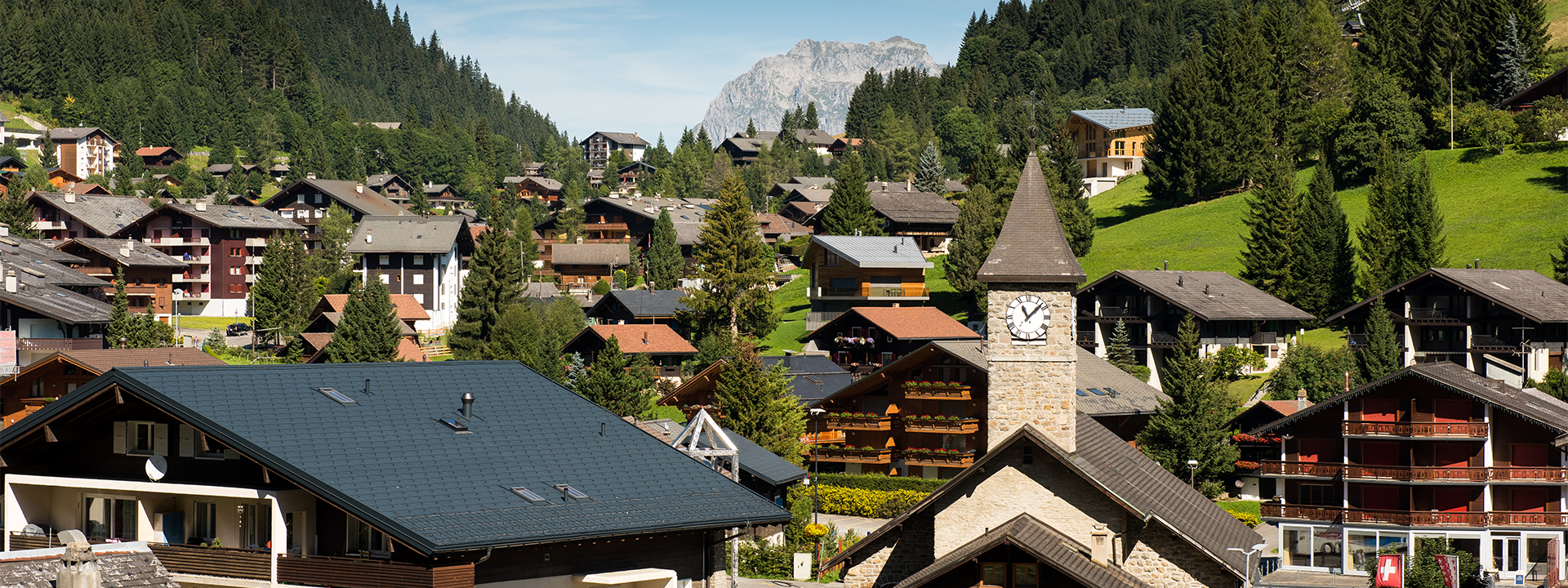
Village frontière avec la vallée d’Abondance, Morgins marque le trait d’union entre les territoires suisse et français du domaine des Portes du Soleil.A Morgins, les murmures de l’eau susurrent à l’oreille des visiteurs : une source d’eau ferrugineuse colore les cailloux de la Vièze de magnifiques et intrigantes teintes rouge ocre alors que les cascades des Fontaines Blanches jaillissent de la terre à 1700 m d’altitude. En contrebas, le lac de Morgins est bordé de forêts d’épicéas et de pâturages, un lieu romantique où il fait bon de s’abandonner à la rêverie ou au repos de l’esprit.
Outre ces recoins idylliques, le monde alpestre est légion. Le vallon de They réserve une rencontre authentique avec l’une des plus belles races bovines des Alpes : les vaches de la race d’Hérens. Elles regagnent l’alpage en été et, avec leur posture impressionnante et leur goût pour la lutte, s’affrontent pour établir la hiérarchie dans le troupeau.
Morgins, c’est également un vaste réseau de promenades pédestres et éducatives, un parc pour s’adonner à la pratique du ski de randonnée et un excellent point de départ pour partir à l’assaut d’une belle et longue journée de ski.